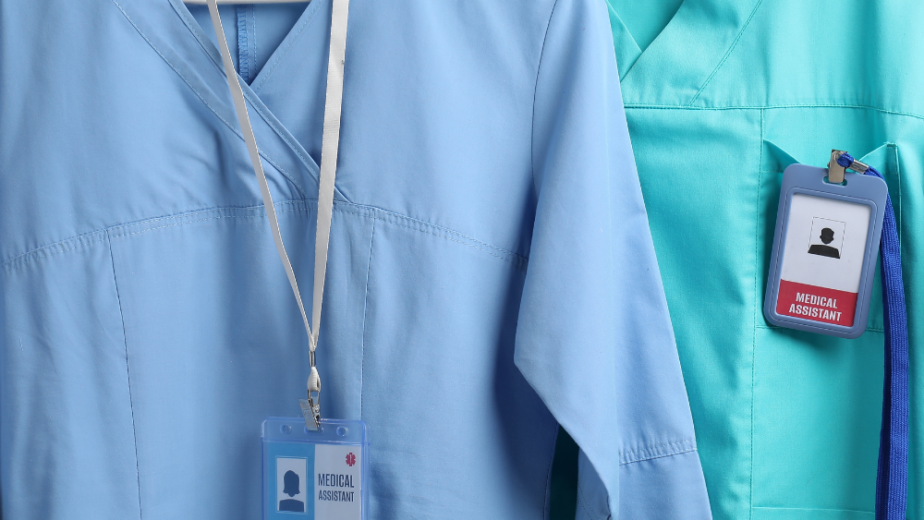
Why Fabric Technology Matters in Modern Medical Uniforms
Medical uniforms have evolved dramatically over the past decade, and a major reason behind this transformation is the advancement in fabric technology. Today’s scrubs are no longer simple cotton garments. They are engineered using performance materials designed specifically to support healthcare professionals during long, demanding shifts. Understanding how fabric technology works can help professionals choose scrubs that boost comfort, durability, and performance.
Moisture-Wicking Materials Improve All-Day Comfort
One of the biggest challenges in healthcare environments is heat and moisture. Busy shifts can cause discomfort and overheating, especially for professionals constantly on the move. Moisture-wicking fabrics pull sweat away from the skin and promote quick drying, preventing irritation and helping regulate body temperature. This makes it easier for medical teams to stay comfortable and focused throughout the day.
Breathability Supports Active Work Environments
Advanced weaves, such as micro-mesh panels and airflow channels, allow for better ventilation without compromising durability. Breathable scrubs allow air circulation, reducing heat accumulation during prolonged hours in patient rooms, labs, surgical units, and fast-paced clinics.
Stretch Fabrics Increase Mobility and Reduce Fatigue
Four-way stretch fabric has become a standard in high-performance scrubs. This allows professionals to bend, reach, lift, and move quickly without feeling restricted. Stretch technology also reduces tension and friction, improving overall range of motion and minimizing fatigue during strenuous tasks.
Fade, Wrinkle, and Stain Resistance Improve Longevity
Quality scrubs are washed frequently, sometimes daily. Standard fabrics often fade, shrink, or lose structure after repeated wash cycles. Performance fabrics are engineered to resist fading, repel stains, and maintain their original shape, ensuring a polished, professional look over time. This increases the lifespan of the uniform while reducing long-term replacement costs.
Antimicrobial Options Add an Extra Layer of Protection
Some modern scrubs include antimicrobial treatments that help reduce odor-causing bacteria and maintain freshness during long shifts. While not a replacement for proper hygiene, antimicrobial fabric can help healthcare professionals feel cleaner and more confident throughout the day.
Conclusion
Fabric technology has become an essential part of modern scrub design. These advancements help improve comfort, performance, and durability—supporting healthcare workers who face demanding tasks every day. Choosing the right fabric can provide a noticeable upgrade in how professionals feel and perform during their shifts.